PROJECT LOGISTICS
Project cargo. Heavy lift. Multimodal transport. Execution strategy.
Project logistics is physical. Cargo geometry, lifting systems, vessel interfaces, infrastructure and access routes must work together beyond the planning document.
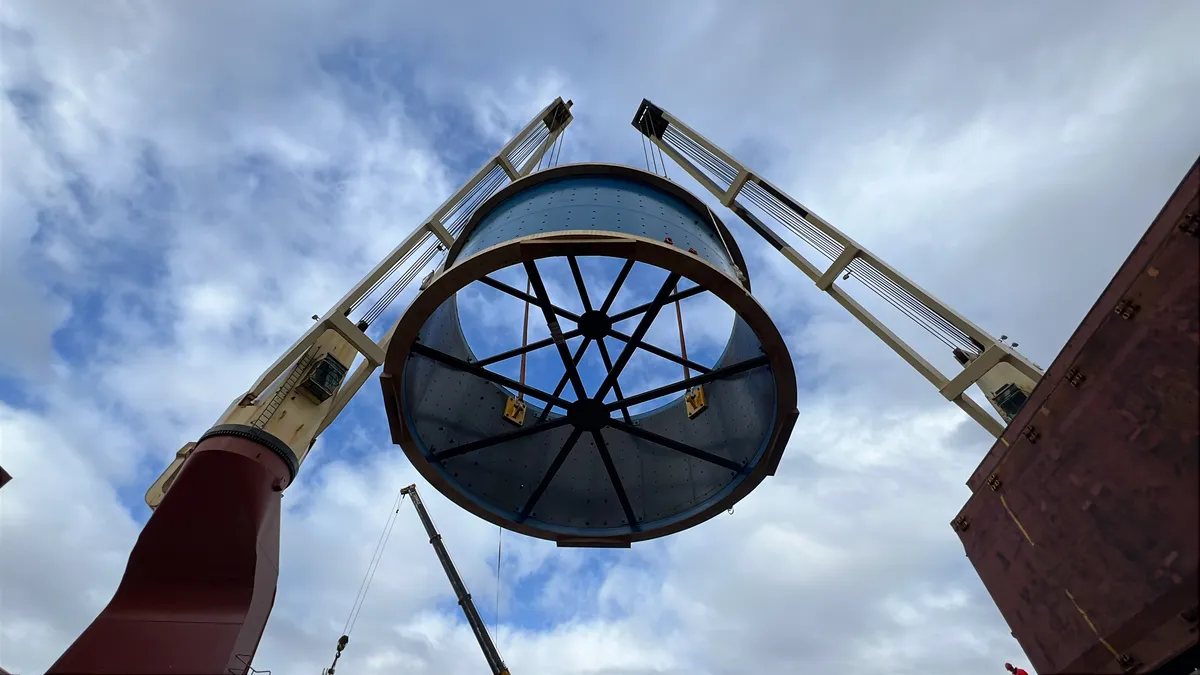
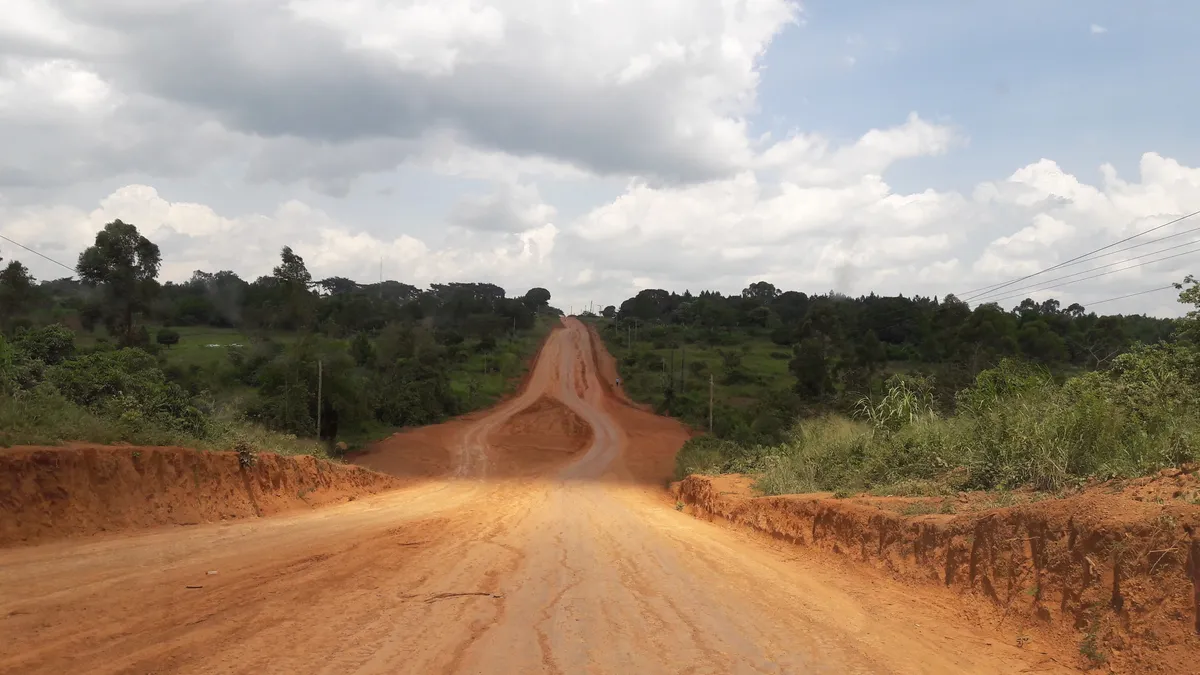
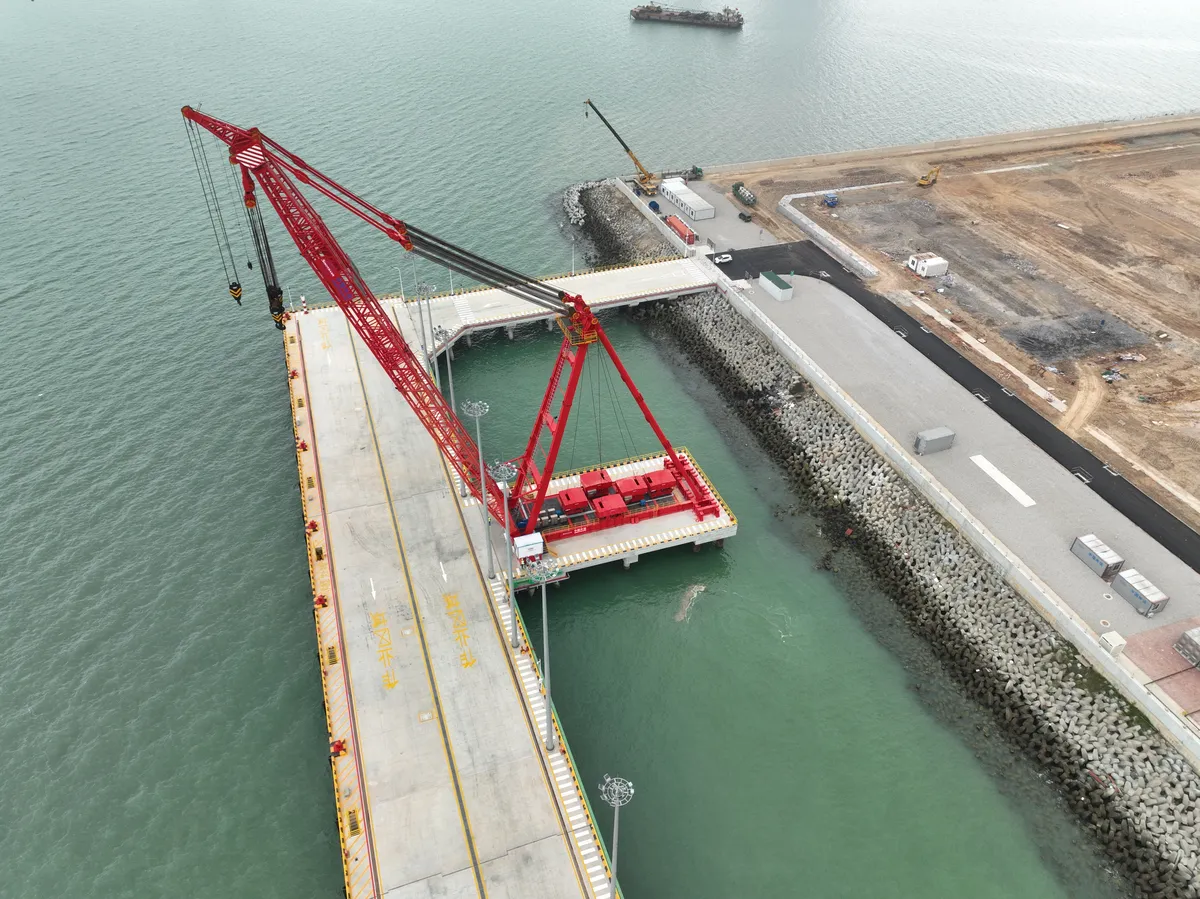
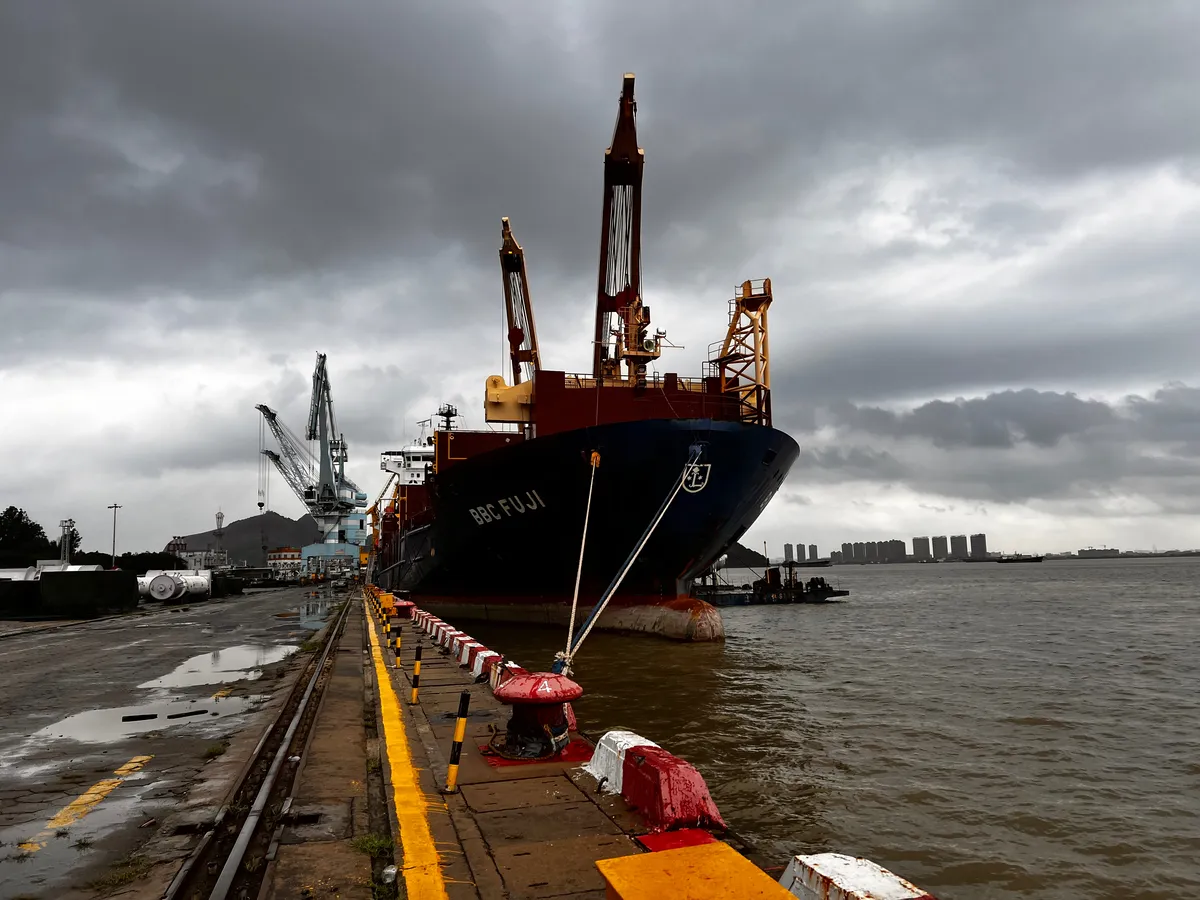
Project cargo. Heavy lift. Multimodal transport. Execution strategy.
Port strategy. Route feasibility. Chartering. Marine interfaces.
Tender review. Assumptions. Feasibility. Options and independent recommendations.
Complex project logistics sits between engineering, commercial decisions, transport markets, infrastructure and execution. The value of experience is knowing where those disciplines interact—and where an apparently small assumption can change the entire plan.
Transport concepts, dimensions and weights, transport envelopes, lifting interfaces, support concepts, axle configurations, route constraints and the practical implications of cargo design.
Vessel suitability, crane capability, deck and stowage considerations, laycan, transit, demurrage exposure and commercial flexibility.
Berth capability, draft, lifting arrangements, cargo handling, laydown, productivity, port restrictions and landside connectivity.
Road geometry, bridges, grades, overhead constraints, permits, escorts, temporary works and site access.
Fabrication sequence, delivery priorities, construction schedule, engineering dependencies and the consequences of late logistics decisions.
Scope boundaries, Incoterms, tender assumptions, responsibilities, exclusions, delay exposure and where commercial language meets physical execution.
Optimizing one element without understanding the others can create a cheaper component and a more expensive project.
The earlier logistics is integrated into a major project, the more options remain available. SLC experience spans the front end of projects through transport engineering, implementation and physical execution.
Bring logistics into the project while engineering and procurement decisions can still be influenced.
Translate cargo characteristics and infrastructure constraints into practical transport requirements.
Convert the logistics concept into scopes, contracts, schedules, interfaces and execution-ready plans.
Support the point where engineering, contracts and planning meet real operating conditions.
SLC's value sits not only inside individual transport modes, but in understanding how engineering, commercial responsibilities and operations connect across the complete logistics chain.
Oversized and heavy cargo concepts, lifting interfaces, handling strategy, transportability and execution constraints.
MPP and heavy-lift vessel concepts, chartering considerations, cargo suitability, berth interfaces and marine execution.
Port selection, berth capability, discharge concepts, laydown, handling productivity and connection to the inland route.
Route feasibility, geometry, infrastructure, permits, temporary works, escorts and site-access constraints.
Scope definition, bidder assumptions, Incoterms, exclusions, risk allocation and comparison beyond the headline freight rate.
Delivery priorities, logistics schedules, dependencies, critical-path interfaces and the consequences of logistics decisions on construction.
Identify viable logistics concepts before assumptions become commitments.
Review scope, commercial exposure, transport assumptions and alternatives.
Connect cargo, vessel, port, route and site requirements into one executable chain.
Stay close to the operation when decisions move from paper into the field.
Project logistics is decided at the interfaces: cargo and vessel, vessel and port, port and road, road and site, contract and execution.
Our role is to make those interfaces visible early enough to do something about them.
We use technology to increase the amount of information we can examine, make relationships easier to see and challenge decisions more systematically. The objective is not automation for its own sake. It is better professional work.
Structure and interrogate specifications, tenders, reports, quotations and project documentation to identify requirements, inconsistencies and missing information.
Connect field observations, route constraints, maps, coordinates, photographs and project information into a more usable decision context.
Use AI to test assumptions, generate counterarguments, identify missing information, compare scenarios and red-team proposed logistics concepts.
Improve how observations, documents, photographs and conclusions remain connected so that decisions can be traced back to their basis.
Our work is shaped by the realities of industrial logistics: difficult cargo, demanding interfaces, remote locations, tight schedules and decisions that have to survive execution.
Project cargo, heavy transport, port interfaces, route constraints and site delivery planning.
Vessel concepts, berth suitability, lifting interfaces, schedule and commercial exposure.
Transport envelopes, road constraints, permits, temporary works and execution readiness.
Scope review, assumptions, option comparison, risk visibility and independent recommendations.
Experience spanning Chile, Peru, Canada, Kazakhstan, Egypt, Iran and other international project environments, with exposure to LNG, petrochemical, power, mining and major industrial developments.
Selected examples of major-project experience include:
Project names are shown as experience references. Detailed scope, role and project information should be verified before publication where confidentiality or client restrictions apply.
When recurring professional problems cannot be solved efficiently with existing tools, that experience becomes input for Swiss Digital Solutions. SDS develops focused products around verification, mapping, documents, route surveys and marine surveys.
EXPLORE DIGITAL SOLUTIONS →A preferred option becomes executable only when its physical, commercial and operational interfaces have been verified as one system.
READ →Marine feasibility is only one gate. Port handling and the inland route can still invalidate an otherwise attractive vessel solution.
READ →At El Abra Mine, the shortest part of the logistics chain became the section that governed whether the delivery concept could work.
READ →A logistics concept is not executable because every individual component appears reasonable. It becomes executable when the complete chain has been tested, the interfaces are understood and the remaining assumptions are actively controlled.
Early concepts are necessarily built with incomplete information. The professional task is not to remove all uncertainty before making progress; it is to make uncertainty visible. Cargo data, lifting requirements, vessel capability, port restrictions, inland-route conditions, site readiness and delivery priorities must be assessed as connected parts of the same operating system.
Responsibility is as important as capability. Every open constraint needs an owner, a date for resolution and a defined consequence if the assumption proves wrong. Without that discipline, risk remains hidden inside the concept and reappears later as delay, variation or emergency work.
A suitable vessel can create false confidence. The cargo still has to be discharged, transferred, configured for inland transport and delivered through the least flexible infrastructure in the logistics chain.
Vessel selection is visible, commercially significant and often addressed early. Route feasibility can receive attention later, even though one bridge, curve, gradient or access restriction may remove the preferred option entirely. The lowest ocean-freight solution has little value if it creates an inland configuration that cannot reach the site.
Marine and inland studies should therefore develop together. Vessel choice influences how cargo is presented at the port; transport configuration influences discharge and lifting requirements; route limitations may feed back into cargo design, support locations or modularization strategy.
During route survey and logistics planning at El Abra Mine, the decisive question was concentrated in the final 42 kilometres: could the proposed delivery concept survive the actual access conditions to site?
Long international movements can be planned around established ports, carriers and transport corridors. The final approach to a remote industrial site is different. It is fixed by local geometry, infrastructure, operating restrictions and the realities observed in the field. A route shown on a map is not yet a transport route.
The lesson is broader than one project. The shortest distance can be the part with the fewest alternatives and the greatest influence on execution. Field verification converts a line on a planning map into an evidence-based logistics decision.
Test feasibility, interfaces and alternatives while meaningful options still exist.
Expose assumptions, scope gaps and commercial risks before they become contractual.
Verify that the preferred solution survives the constraints around it.
Challenge the current plan without being invested in the original answer.
Good logistics consulting is not only about finding a solution. It is about understanding what the solution depends on.
We can start with a route, a port, a transport concept, a tender, a risk or simply a decision that does not yet feel sufficiently clear.
DISCUSS THE CHALLENGE →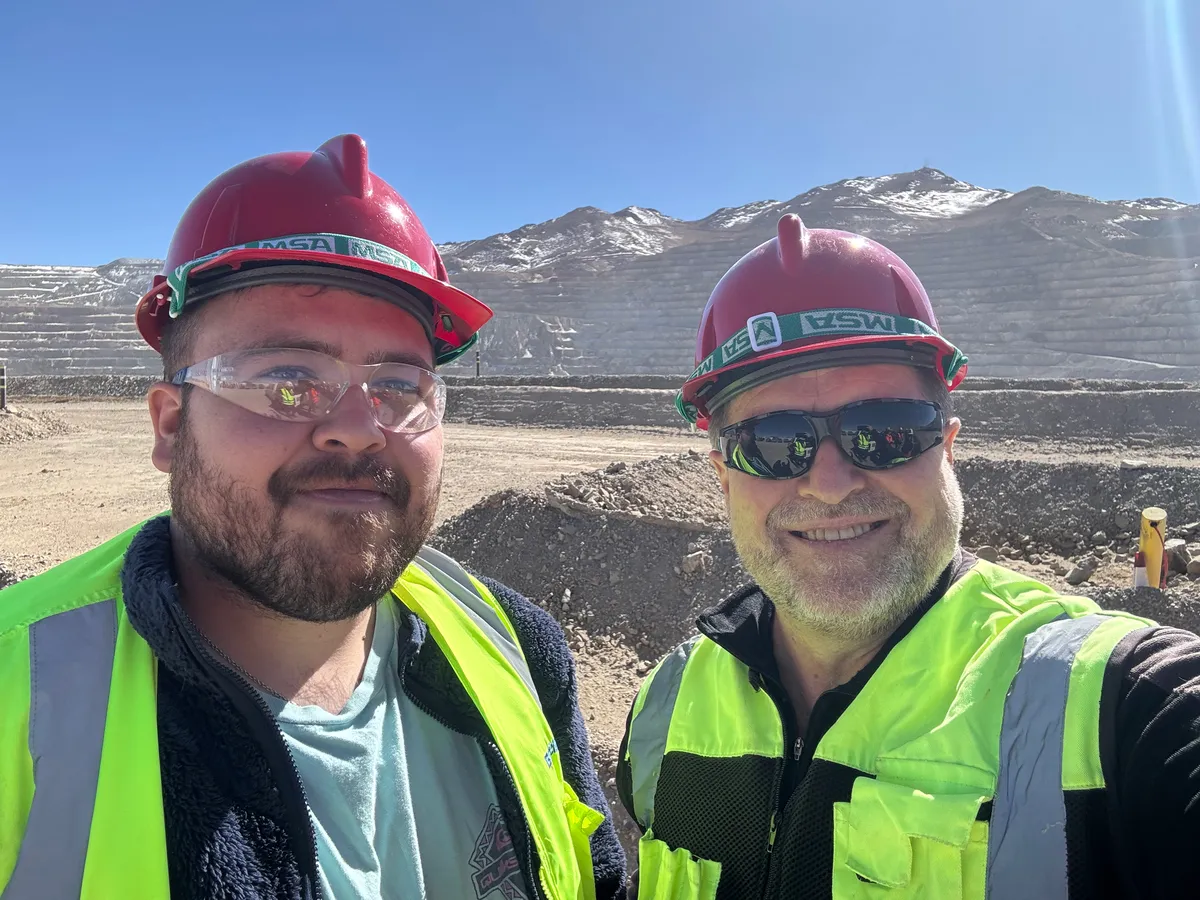
Swiss Logistics Consulting GmbH provides independent advice for complex logistics challenges. We combine practical project experience, industry knowledge and structured analysis to help clients understand what matters before commitments become difficult or expensive to reverse.
Our approach stays close to the realities of execution: cargo, vessels, ports, roads, sites, contracts, schedules and the interfaces between them.
Urs brings the personal experience and curiosity behind SLC's approach. His work connects established logistics practice with new ways of analysing information, challenging assumptions and improving professional decisions.
URS ON LINKEDIN →